BRACHI THERAPY

BRACHI THERAPY

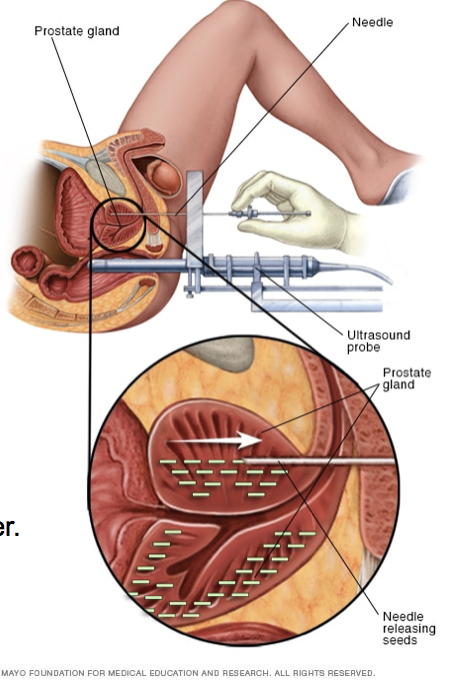
Prostate brachytherapy is a form of radiation therapy used to treat prostate cancer. Prostate brachytherapy involves placing devices containing radiation in the prostate gland close to the cancer cells.Permanent prostate brachytherapy involves placing radioactive seeds in the prostate gland permanently, where they slowly release radiation.The goal of prostate brachytherapy is to place the radiation close to the cancer cells, where the radiation can kill the cancer cells while causing less damage to healthy tissue nearby.After prostate brachytherapy, you can expect some pain and swelling in the perineum where the radiation needles were inserted. You may find relief by placing an ice pack over the area or taking acetaminophen (Tylenol, others). Tell your doctor if these measures aren't controlling your pain.You can resume normal activities when you feel up to it. Avoid strenuous activity, such as running, or activities that may irritate the perineum, such as riding a bike, until the area where the radiation was inserted is no longer tender.


RISKS

These are the commoner risks. There may be other unusual risks that have not been listed here. Please ask you surgeon if you have any general or specific concerns.There are risks associated with any anaesthetic, you may have side effects from any drugs used. The commoner side  effects include light-headedness, nausea, skin rash and constipation.                   

Some potential adverse reactions related to Brachi Therapy include:

  • Difficulty starting urination
  • Frequently feeling an urgent need to urinate
  • Feeling a burning sensation when urinating
  • Blood in urine
  • Needing to urinate at night
  • Not being able to empty your bladder completely
  • Narrowing of the tube that carries urine from your bladder to the outside of your body (urethra)
  • Erectile dysfunction
  • Bleeding from the rectum
  • Blood in stool
  • Diarrhoea


Some of the above risks are more likely if you smoke, are overweight, diabetic, have high blood pressure or have had previous heart disease.

When you are discharged, take care of the following:

  • You can expect swelling and bruising of the scrotum and perineum (the area between the scrotum & anus) this should resolve in 1-2 weeks.
  • Ice packs and over the counter medications such as Panado, Advil or Aleve may lessen your discomfort
  • You may resume sexual relations two weeks after the procedure, a condom should be used for the first 2 weeks.
  • Your semen may be dark brown or black, this is normal and is related bleeding that may have occurred during the implant
  • Most men experience burning on urination and/or urinary frequency, continue to take the Flomax as directed
  • It is normal to have some blood in your urine for a few days after the implant

Special instructions & info regarding the Iodine seed:

  • It is unlikely that you will pass an Iodine-125 seed in your urine, however, as a precaution, please urinate through the strainer for the next week (you would have received this item on discharge)
  • The seeds are silver in colour and are the size of a rice grain
  • If you do pass a seed, follow the directions in your discharge kit
  • Your prostate will absorb the radiation, objects that are touched will not become radioactive
  • Body wastes & fluids are not radioactive
  • Children & pets should not sit on the patient’s lap for the first 2 weeks after the implant.

Contact your doctor if you experience fever or chills, have increasing pain or unable to urinate
ANTERIOR PROLAPSE REPAIR

ANTERIOR PROLAPSE REPAIR

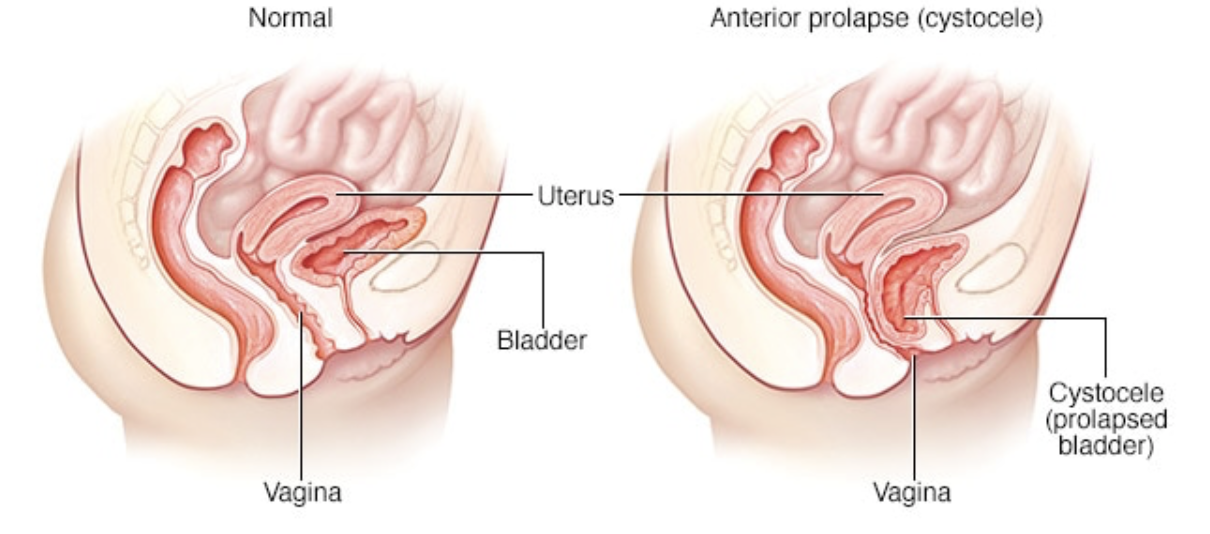
Anterior prolapse, also known as a cystocele, occurs when the supportive tissue between a woman's bladder and vaginal wall weakens and stretches, allowing the bladder to bulge into the vagina. Anterior prolapse is also called a prolapsed bladder.

Straining the muscles that support your pelvic organs may lead to anterior prolapse. Such straining occurs during vaginal childbirth or with chronic constipation, violent coughing or heavy lifting. Anterior prolapse also tends to cause problems after menopause, when estrogen levels decrease.

For a mild or moderate anterior prolapse, nonsurgical treatment is often effective. In more severe cases, surgery may be necessary to keep the vagina and other pelvic organs in their proper positions.

Your pelvic floor consists of muscles, ligaments and connective tissues that support your bladder and other pelvic organs. The connections between your pelvic floor muscles and ligaments can weaken over time, as a result of trauma from childbirth or chronic straining of pelvic floor muscles. When this happens, your bladder can slip down lower than normal and bulge into your vagina (anterior prolapse).

You will most likely remain in the hospital for 1 - 2 days after anterior vaginal wall repair. Your bladder may be affected by the surgery, and you may need to use a catheter for one to two days. A catheter is a small tube that’s placed in your bladder to remove urine from your body.

It’s common to be on a liquid diet after this surgery. Once you are able to urinate and have normal bowel movements, you can resume a regular diet.

RISKS

These are the commoner risks. There may be other unusual risks that have not been listed here. Please ask you surgeon if you have any general or specific concerns.There are risks associated with any anaesthetic, you may have side effects from any drugs used. The commoner side effects include light-headedness, nausea, skin rash and constipation. 


Some potential adverse reactions related to surgical correction for anterior prolapse repair include:

Most often, the benefits of anterior vaginal wall repair outweigh the risks. In some cases, you may experience the following after surgery:

  • painful urination
  • a frequent, sudden urge to urinate
  • a leakage of urine
  • damage to your urethra, vagina, or bladder

Some of the above risks are more likely if you smoke, are overweight, diabetic, have high blood pressure or have had previous heart disease. Discuss these risks with your doctor before having an anterior vaginal wall repair.

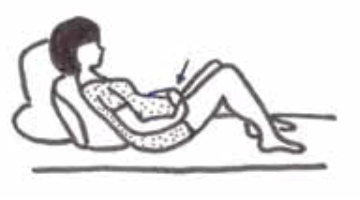
Supporting your wound when coughing, sneezing or vomiting

Sit forward in a chair if possible. If in bed, bend your knees up. Place both hands over your wound, with your forearms resting firmly across the abdomen. It may help you to use a pillow across your abdomen as you cough, sneeze or vomit.

Mobilising correctly using your deep abdominal muscles

When you move from sitting to standing, and when you walk, try to gently

activate your deep abdominal muscles. Gently draw in the abdominal muscles

below your underwear. Placing your hands on your lower abdomen beneath

your navel will help you to check the activity of these muscles.

Moving in bed correctly

Slide one heel at a time along the bed towards your buttocks to bend both your knees. Keep

your head flat on the pillow. Lift your bottom off the bed as you push through your heels and

elbows to move yourself up the bed.

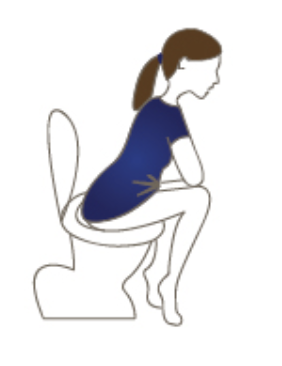
Positioning yourself to avoid straining your repair

When going to the toilet, remember to keep the curve in your back as you lean

forward at the hips. Lean your forearms or hands onto your knees

(refer to picture on right).

Upon discharge:

  • You may have a watery blood-stained discharge for the first couple of weeks. As healing takes place you may experience some dark spotting as the internal sutures dissolve.
  • You may feel fatigued.
  • You may need to take some simple analgesia e.g. Panadol for pain or discomfort— especially on waking and settling at night.

What to avoid

  • Avoid strenuous activity and heavy lifting for six to eight weeks.
  • You should mobilise around the house and yard initially then go for short walks. Aim to gradually increase your activity everyday.
  • Avoid sexual activity for six to eight weeks to allow time for healing to take place. Avoid straining when opening your bowels.
  • Avoid constipation by eating a diet high in fibre and drinking two to three litres of fluid a day.

Please call the doctor if you experience any of the following:

  • Severe pain
  • Fever
  • Heavy vaginal bleeding
  • Vaginal discharge with an odour
  • A lot of blood in your urine
  • You have signs of infection (a burning sensation when you urinate, fever or chills)

Vasectomy

Vasectomy

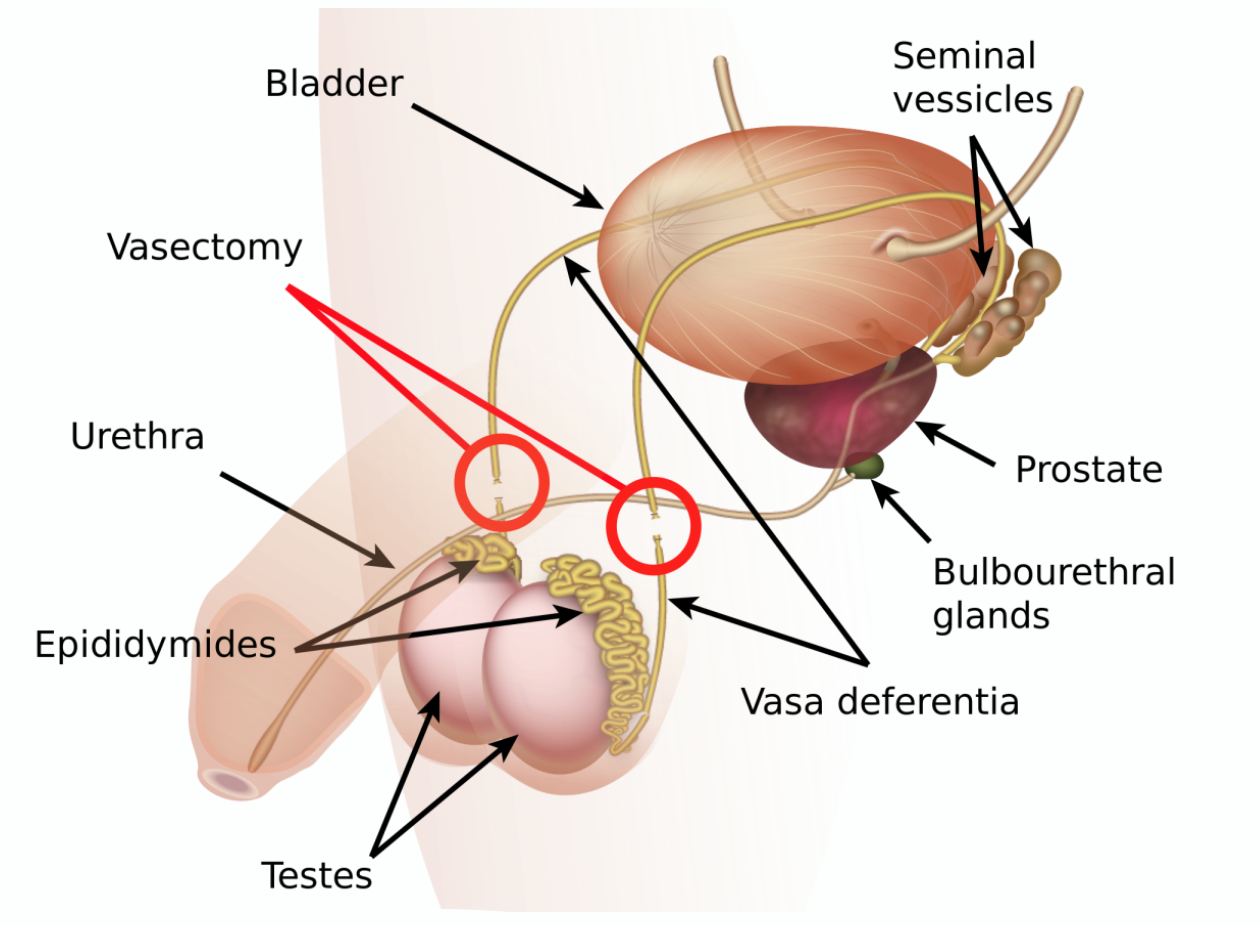
This means permanently stopping the flow of sperm from the testicles to the outside, thus preventing a man from fathering children. The operation may occasionally also be used to prevent urine from refluxing along the vas and may be used to treating recurrent infection of the tubules near and inside the testicle (epididymo-orchitis) where non-surgical options have failed.The scrotum may be shaved before being cleaned with antiseptic. Under local or general anaesthetic, the sperm tube (vas deferens) is located on each side and a small cut made in the scrotum, so the vas can be seen. The tubes are cut, and the cut ends tied with non-absorbable sutures. A length of each tube may be removed. The inner lining of the tubes may be burnt with an electrical current to seal them, and the ends buried beneath loose tissue. Both sides are usually treated in the same way.The choice of procedure depends on the surgeon. Any bleeding is stopped, and the separate ends of the cut tubes are replaced in the scrotum. The skin may be closed with fine absorbable stitches if necessary.


RISKS

These are the commoner risks. There may be other unusual risks that have not been listed here. Please ask you surgeon if you have any general or specific concerns.

There are risks associated with any anaesthetic.

You may have side effects from any drugs used. The commoner side effects include light-headedness, nausea, skin rash and constipation.

A vasectomy has the following specific risks and limitations:

  • During the operation, you may notice a slowed heart beat and may feel faint.
  • After the operation, you may develop a bruise in the scrotum that may take several weeks to get better.
  • You may develop an infection in the skin wound that may need antibiotic treatment.
  • Your partner and you will need to use alternative contraceptive methods for at least 3 months until your ejaculate samples have been tested and you have been told they are clear of sperm.
  • There is always a small chance your ejaculations will never clear of sperm due to technical failure. This will require a repeat operation.
  • There is a remote chance the vas may re-join spontaneously, even after you have been sterile for some time (re-canalisation). If this happens, you may no longer be sterile.
  • Despite this, you should regard the operation as permanent. Reversals can be done, but they are expensive and are not always successful. THEY ARE NOT COVERED BY MEDICAL AID.
  • You may develop a generally painful and swollen area at the back of a testicle and this may persist for some months (congestive epididymitis). This can be treated with scrotal support, ice packs and anti-inflammatory tablets.
  • You may develop small cysts at the back of the testicle (epididymis cysts).
  • You may develop small inflammatory nodules (sperm granulomas) around the cut ends of the vas or in the epididymis. These are unlikely to cause symptoms, but uncommonly result in some tenderness or pain with ejaculation. Most respond to simple treatments if necessary.
  • There is a small risk you may develop long term aching in the testicles (post-vasectomy syndrome). This is usually mild and responds to anti-inflammatory medication. In a few men, this can be persistent.
  • Rarely, a connection may form between a cut vas and your skin (vasocutaneous fistula). This requires surgical treatment.
  • Although a couple of studies suggested men may have an increased risk of prostate cancer after a vasectomy, many other studies have not found any association.


Some of the above risks are more likely if you smoke, are overweight, diabetic, have high blood pressure or have had previous heart disease.

When you are discharged, take care of the following:

  • Take it easy for the first 2 days after the procedure to minimise the risk of bleeding and bruising
  • Wear firm-fitting underwear to help minimize bleeding
  • You can remove your dressing/plaster after 2 days
  • Sexual activity can be resumed after 1 week if you are comfortable
  • Finish all prescribed medication
  • Remember to do your Post Vasectomy follow-up semen analysis 3 months after your procedure. (drop off at Ampath pathologists)
  • Contact your doctor if you have severe pain, bleeding or fever

Turp

TURP

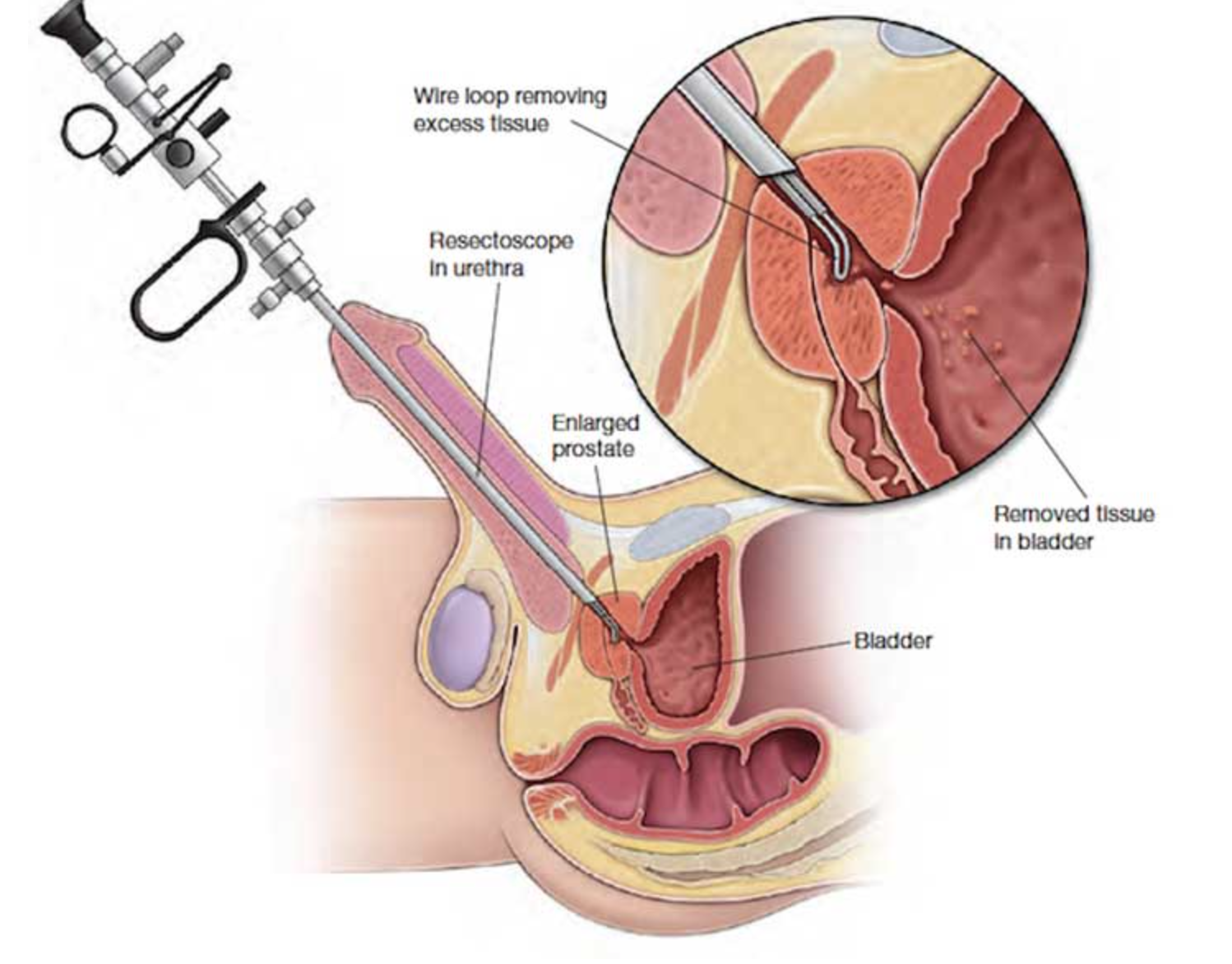
This means coring away part of the prostate to widen the urethra (tube between the bladder and the outside) and relive pressure on the bladder. The operation is done inside the urethra, so there are no cuts on skin.Under general / spinal anaesthetic, the surgeon passes a telescope (resectoscope) along the urethra and, using sterile fluid to fill the bladder, inspects the lining of the bladder to check if it is healthy. The resectoscope is then pulled back slightly until it is at the level of the prostate, and, using a high frequency electrical current wire loop, the surgeon takes small scoops from inside the prostate gland. When enough of the gland has been removed to open the urethra and bladder neck, the surgeon checks that bleeding has been controlled and flushes out the prostate chips. These are collected and sent for microscopic examination. A 3-way catheter (a tube passing along the penis to drain urine) is left in the bladder to enable constant flushing of the area to prevent clots forming. This is removed after a day or two. A catheter might be inserted straight into the bladder through the lower abdomen.

RISKS

These are the commoner risks. There may be other unusual risks that have not been listed here. Please ask you surgeon if you have any general or specific concerns.

There are risks associated with any anaesthetic.

You may have side effects from any drugs used. The commoner side effects include light-headedness, nausea, skin rash and constipation.

A transurethral resection of the prostate has the following general risks and limitations:

  • You may get a urinary infection, requiring antibiotics.
  • You may absorb fluid through the prostate bed during the operation and need drugs to help get rid of it.
  • You may develop small areas of collapse in your lungs, which may require physiotherapy after the operation.
  • You may develop a clot in your leg vein (deep vein thrombosis) with pain and swelling. If part of this breaks free, it may travel to the lungs (pulmonary embolism), causing shortness of breath. There is a small risk you could die from an embolism.

A transurethral resection of the prostate has the following specific risks and limitations:

  • You may develop clots in the bladder after the operation, which may make it difficult to pass urine. Flushing the bladder through the catheter can wash these out.
  • Rarely, you may need a blood transfusion because of heavier bleeding.
  • After the catheter is removed your urine will burn and will be bloody. You will also have the sensation that you need to urinate frequently. This will continue to get better normally within the first week but can take up to 6 weeks
  • You may still have some symptoms afterwards, particularly if the bladder has become overactive due to the blockage, or less commonly, weak due to long-lasting obstruction.
  • You are likely to have retrograde ejaculation (i.e. the semen flows into the bladder during climax). This may prevent you from fathering children but will not affect your sexual functions in any other way.
  • There is a small chance you may develop difficulties with erections for the first time after the operation. If your erections were normal before surgery, this risk is similar to that of erection problems that occur with age.
  • The operation does not reduce or increase the risk of developing prostate cancer.
  • You have an extremely small risk of becoming incontinent of urine after the operation in the long term. You may be incontinent of urine temporarily afterwards because your bladder may become overactive for a while.
  • Urethral stricture or bladder neck stenosis can occur due to scarring after surgery

Some of the above risks are more likely if you smoke, are overweight, diabetic, have high blood pressure or have had previous heart disease.

Cystectomy

Cystectomy

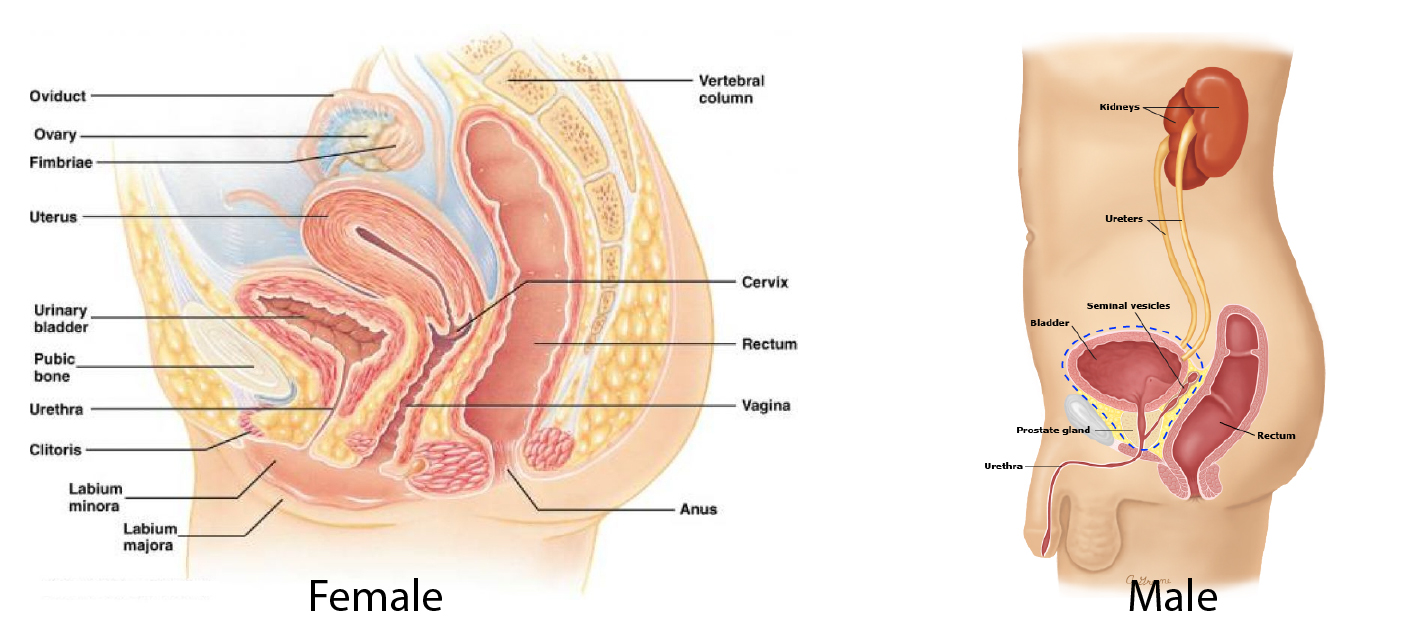
This means removing the bladder and its lymph nodes for cancer. In MEN, the prostate, seminal vesicles and part of the urethra may also be removed. In WOMEN, the cervix, womb, front wall of the vagina, and urethra may also be removed.

Under a general anaesthetic, the abdomen is opened through a midline cut and the ureters (tubes from the kidneys to the bladder) are identified. Small samples are sent for immediate microscopic examination to ensure there has been no spread of disease. The pelvic lymph nodes near the bladder may also be assessed and wide dissection of the lymph nodes may be necessary.

The bladder is then freed from its surrounding tissues and the urethra (tube from the bladder to the outside) is cut to allow the bladder to be removed and sent for examination. In WOMEN, the vagina is stitched closed.

Next a new way of draining urine to the outside is made. There are several options and your surgeon will explain if a different technique would be better for you. A short length of small bowel (ileum) is separated from rest of the bowel, the ureters are stitched to one end and the other end is brought out through the skin (stoma). The remaining bowel is reconnected.

A plastic bag is sealed to the skin around the stoma to collect the urine. Small suct


RISKS

These are the commoner risks. There may be other unusual risks that have not been listed here. Please ask you surgeon if you have any general or specific concerns.

There are risks associated with any anaesthetic.

You may have side effects from any drugs used. The commoner side effects include light-headedness, nausea, skin rash and constipation.

A radical cystectomy has the following specific risks and limitations:

  • You may develop an abscess in the pelvis, with pain and fever. This may drain by itself, or may require a procedure guides by X-ray to locate the abscess.
  • You may bleed heavily during the operation or afterwards. I may need transfusion, or rarely an operation.
  • Your rectum (back passage) may be damaged during the operation. This will be repaired, but you may need temporary colostomy (bag) to allow the tissue to heal. The colostomy can usually be closed in several months’ time by doing a small operation.
  • Loops of bowel may become stuck near the operation site during healing (adhesions). There is a small risk that irregular blockages of the bowel may follow, and these may sometimes require further surgery.
  • Your cancer may reappear in the pelvis, or spread elsewhere at some time in future, despite the operation.
  • You may develop a clot in a leg vein (deep vein thrombosis) with pain and swelling. If part of this breaks free, it may travel to the lungs (pulmonary embolism), causing shortness of breath. You could die from the embolism.
  • You may develop salt imbalances as some urine components can be absorbed from an ileal conduit. This may require close monitoring and treatment. This may happen long after the operation.
  • Your kidneys may fail as a result of repeated infections or stone blockage and you may need dialysis in future.
  • You will be more prone to urinary tract infections and kidney stones and these may require treatment including antibiotics or surgery for stones.
  • There is a risk the blood supply to the ileal conduit may fail. If this happens, a new conduit will need to be made in a second operation.
  • The ureters may become scarred (stricture), reducing the drainage of urine form kidneys. Some strictures can be stretched open, but you may need another operation to refashion the join between ureter and the bowel.
  • Your legs may swell because the lymphatic in your pelvis have been removed. This may be permanent or temporary and you may therefore be more prone to getting skin ulcers or infections.


Some of the above risks are more likely if you smoke, are overweight, diabetic, have high blood pressure or have had previous heart disease.

Prostate Biopsy

Trans rectal ultrasound (TRUS)-guided prostate Biopsy

Why do you need this procedure:

An abnormal prostate-specific antigen (PSA) blood level or an abnormal digital rectal examination may indicate the presence of prostate cancer. Your urologist has recommended that you undergo a TRUS-guided prostate biopsy to determine if there is cancer in your prostate.

What is a TRUS-guided prostate biopsy:

During a prostate biopsy, small tissue samples are taken from the prostate gland. For this procedure the doctor will pass a small ultrasound probe into your rectum to view the prostate. A needle will be passed through the probe into your prostate to remove the tissue samples. These samples are sent to a laboratory and viewed under a microscope to see if prostate cancer cells are present.

What should you do before the biopsy:

Do not take aspirin, aspirin-like medication (such as Advil Aleve, Goody’s powder or Motrin).
Tell your urologist if you take blood-thinning medications, such as Coumadin (Warfarin). Plavix (Clopidogrel), Persantine or Aggrenox (Dipyridamole).


Take the antibiotic that has been prescribed for you on the day of the biopsy.


Bring a family member or friend who can be responsible for your transportation home.

What can you expect after the biopsy:

Following the biopsy, do not perform any activity that requires heavy lifting or straining. You may resume your normal activities the day after the biopsy.

You may see a small amount of blood in your urine and/or semen and when you have a bowel movement (from rectal bleeding) for several days following the biopsy.

It helps to drink plenty of liquids (at least 8 glasses per day) for 1-2 days to clear your urine. You may see blood in your semen for up to 6 weeks.

If you experience fever, chills, fatigue, difficulty urinating or if the bleeding gets worse, contact you urologist immediately or visit your nearest clinic/hospital or GP.

When will you get your results:

It will take approximately 2-3 days to get you results from the laboratory. Your doctor will view them and will contact u if there are any abnormalities found that u should know about.

Nephrectomy

Nephrectomy

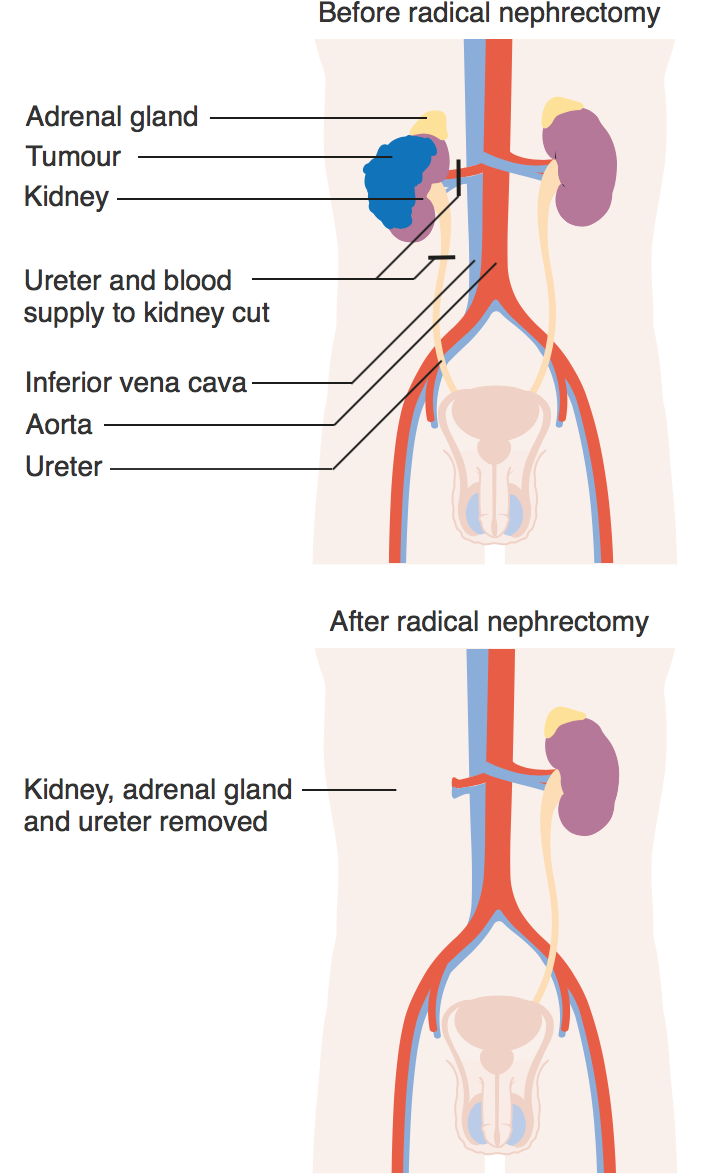
This means removing the kidney, the lymph nodes, the fatty tissue around the kidney and its tissue covering, with or without the adrenal gland or any nearby involved structures.Under a general anaesthetic, a cut is made under the rib cage (or, depending on the size and site of the tumour, over one side of the lower ribcage, extending around under the arm). The kidney is exposed and its blood supply is cut and tied off.The surrounding tissues are dissected free, without disturbing the kidney covering. The ureter (tube from kidney to the bladder) is cut and tied. The kidney and its fatty covering are dissected, along with its blood vessels and the entire block of tissue is removed and sent for detailed examination. Any bleeding is stopped and the wound is closed.

RISKS

These are the commoner risks. There may be other unusual risks that have not been listed here. Please ask you surgeon if you have any general or specific concerns.There are risks associated with any anaesthetic.You may have side effects from any drugs used. The commoner side effects include light-headedness, nausea, skin rash and constipation.

A radical nephrectomy has the following specific risks and limitations:

  • Any of your organs or tissue near the operation site might be damaged.
  • Any injuries will be treated at the time of the operation, but may lengthen
  • your recovery and have complications of their own. These include:
  • Pancreas: Rarely may become inflamed (pancreatitis). This can result in
  • metabolic upsets that, in serious cases, can require intensive care and a prolonged recovery.
  • Liver (operations on the right): may be torn and bleed. Uncommonly I may need a blood transfusion.
  • Small or large bowl: any tears will be repaired, but recovery of normal function may be delayed, and the repairs may heal slowly or leak.
  • Spleen (operations on the left): tears may require removal of the spleen, making me more prone to infections and blood clots.
  • Stomach: any tears will be repaired, but recovery of normal function may be delayed.
  • You may bleed heavily during the operation and require a blood transfusion.
  • If the diaphragm is opened to give better access to the kidney, it can be repaired, but you may need a chest tube to allow my lung to re-expand and help with my breathing.
  • Your normal bowl function is likely to take some days to recover. You may need several days of fluids given into a vein until recovery begins. This may take 4 – 7 days or occasionally longer.
  • Bands of scar tissue rarely form between loops of bowels as the tissue heals. These may cause bowel obstruction in future with bloating and pain. This may settle or may need another operation.
  • You may develop an abscess at the operation site, with fever and pain. This may need drainage under X-ray guidance or occasionally, another operation. This is an uncommon problem.
  • Your wound may become infected with redness, pain and swelling and occasionally a discharge. This may require antibiotics, or the wound may need to be partly opened.
  • Your other kidney may temporarily stop working normally and you may rarely need dialysis until it recovers.
  • You may develop a weakness in the wound after it has healed (incisional hernia).
  • There is a very small chance you may die due to complications from the operation.

Some of the above risks are more likely if you smoke, are overweight, diabetic, have high blood pressure or have had previous heart disease.

JJ Stent

JJ Stent

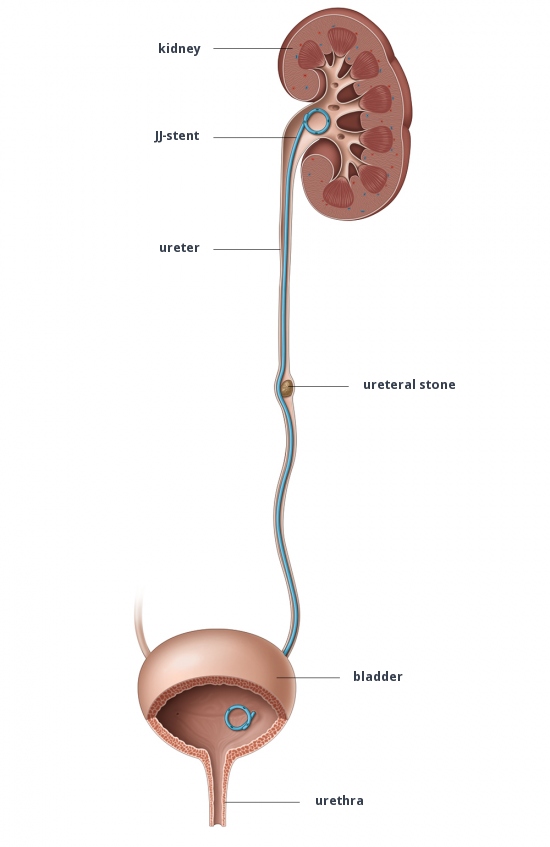
This means inserting a fine tube into the ureter (tube from kidney to bladder) to bypass a blockage and enable the kidney to drain satisfactorily. The shape of the tube helps the stent remaining place until it is removed in a second procedure.The stent may be put in place during an open operation (eg during surgery on the ureter), from above through the skin over the kidney, or from below via the bladder using an operating telescope (eg after endoscopic removal of a stone from the ureter).In principle, a guide wire is passed into the correct position and checked with X-rays. The stent is then threaded over the guide wire. When the wire is withdrawn, the stent resumes its naturally curled shape at either end.

RISKS

These are the commoner risks. There may be other unusual risks that have not been listed here. Please ask you surgeon if you have any general or specific concerns.There are risks associated with any anaesthetic.You may have side effects from any drugs used. The commonerside effects include light-headedness, nausea, skin rash and constipation.

The insertion of double JJ-stent has the following specific risks and

limitations:

  • If the stent is being used to relieve a blockage, the urine may already be infected. Despite antibiotics, you may develop a fever and chills from infection and require further antibiotic treatment.
  • The stent cannot be left in place indefinitely and must be removed when no longer needed, or changed three-monthly.
  • There may be some trauma to my ureter during its positioning. Rarely, the guide wire may perforate your ureter or kidney.
  • There may be some bleeding from my kidney or ureter, which rarely may be severe, requiring treatment.
  • The stent may move from its intended position, reducing its efficiency and requiring repositioning or replacement.
  • You may have some bladder and / or kidney discomfort associated with the stent, but symptoms can be treated.
  • Your stent may block, requiring it to be removed or possible replaced.
  • You may develop an infection in the bladder or the kidney. This may require antibiotics, or occasionally removal of the stent.

Some of the above risks are more likely if you smoke, are overweight, diabetic, have high blood pressure or have had previous heart disease.

When you are discharged, take care of the following:

  • You can continue with your normal daily activities (eg. Driving, sexual activities, walking, exercise & travel)
  • Drink enough fluids (1-2 litres per day)
  • Take your medicine as prescribed
  • You can relax in a hot bath or shower if you experience discomfort
  • Rest when you can
  • If urine becomes blood stained, increase your fluid intake
  • Make sure you attend to your follow-up appointment to remove the JJ-stent: usually within 2 weeks of stent placement if removed in theatre and +/- 2 day’s if to be removed in the rooms (your doctor will confirm whether it will be taken out in theatre or in the rooms)

Contact your doctor if you experience any of the following:

  • constant, unbearable, persistent pain;
  • fever-like symptoms;
  • nausea or vomiting;
  • difficulty in passing urine;
  • if your stent falls out;
  • if you notice a significant increase of blood in the urine

Inguinal Hernia Repair

Inguinal Hernia Repair

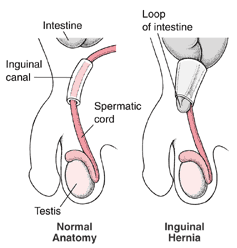
Under a regional, general or local anaesthetic, a cut is made above the groin close to the hernia and the tissues of the spermatic cord identified.The coverings of the cord are opened, and the contents explored to identify the hernia sac. This is cleared of all other tissues and checked to ensure it is empty. The sac may be tied off and the excess tissue removed. The weakness in the muscle layers is identified and depending on the situation and the surgeon’s preference, some form of repair, often using non-absorbable material is performed. Any bleeding is stopped, and the tissues closed in layers.

RISKS

These are the commoner risks. There may be other unusual risks that have not been listed here. Please ask you surgeon if you have any general or specific concerns.

There are risks associated with any anaesthetic, you may have side effects from any drugs used.

The commoner side effects include light-headedness, nausea, skin rash and constipation.

Inguinal hernia repair has the following specific risks and limitations:

  • You will have a permanent scar at the operation site, which will fade in time.
  • The wound may become infected with redness, swelling and pain. This may require antibiotics.
  • The hernia may recur, particularly if there has been any infection or an early strain on the wound before the tissues have healed.
  • The material used for the repair may be rejected by the body and have to be removed.
  • You may develop long term pain or discomfort following handling of the sensory nerves or scar tissue in the area.
  • You may have numbness around the operation site that may take months to improve.
  • Rarely, you may bleed during the operation due to damage to nearby blood vessels.
  • Uncommonly, the blood vessels in the spermatic cord clot as a result of the unavoidable handling during the operation. If this happens, you may develop inflammation of the testicle (ischemic orchitis). This means your testicle on that side may swell and become painful, and although the symptoms settle in due course, the testicle may shrink and fail to produce sperm in future.

Some of the above risks are more likely if you smoke, am overweight, diabetic, have high blood pressure or have had previous heart disease.

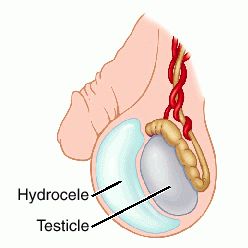
Hydrocele

HYDROCELE

A hydrocele is a collection of clear fluid around the testicle.Under a general anaesthetic, a small cut is made in the scrotal skin and the testicle and the surrounding fluid sac (the hydrocele) are gentlydelivered through the cut. The front of the sac is opened, the fluid drained and the testicle examined. The excess tissue of the sac is cut away and the remaining fringe of the sac is turned inside out behind the testicle and the edges sewn together to prevent the sac re-forming.Any bleeding is stopped, the testicle is placed back inside the scrotum And the skin closed with an absorbable, hidden stitch. A drain tube might be inserted into the scrotum after the operation to drain any access fluid or blood. The tube will be removed after 1 / 2 days.

RISKS

These are the commoner risks. There may be other unusual risks that have not been listed here. Please ask you surgeon if you have any general or specific concerns.

There are risks associated with any anaesthetic.

You may have side effects from any drugs used. The commoner side effects include light-headedness, nausea, skin rash and constipation.

The correction of a hydrocele has the following specific risks and limitations:

  • You may have some bruising and / or swelling of the scrotum, which occasionally may appear considerable if the hydrocele was very large. This usually gets better over several days or weeks, depending on its size.
  • Occasionally your wound may become red or tender due to infection. If this happens you may need antibiotic treatment.
  • You may notice some aching or discomfort in the wound that may take up to six months to settle.
  • You may have some numbness of the skin around the wound, which may improve over several months.
  • You may notice some irregularity or “lumpiness” around the testicle, which may persist.


Some of the above risks are more likely if you smoke, are overweight, diabetic, have high blood pressure or have had previous heart disease.

Posts navigation

1 2 3
Scroll to top